 English
 Bahasa Melayu
 Suomen kieli
 عربي
عربي  Português
 Français
 Pусский
 Español
How choose the right DC circuit breaker for project?


Choosing the right DC circuit breaker for a project involves considering several key factors. Here are some steps to help you in the selection process:
1、Determine the system voltage:
Identify the voltage level of your DC system. This is crucial as circuit breakers are designed to handle specific voltage ranges. Ensure that the circuit breaker you choose is compatible with the voltage of your project.
2、Calculate the load current:
Determine the maximum current that will flow through the circuit breaker under normal operating conditions. This will help you select a circuit breaker with an appropriate current rating. Make sure the circuit breaker's current rating exceeds the calculated load current to provide a safety margin.
3、Consider fault currents:
Evaluate the potential fault currents that may occur in the DC system due to short circuits or overloads. Select a circuit breaker with suitable interrupting capacity to handle these fault currents safely. The interrupting capacity should be equal to or higher than the prospective fault current.
4、Assess operational requirements:
Define the specific requirements of your project. Consider factors such as the expected number of operations, environmental conditions (temperature, humidity, etc.), and any special features required (remote control, fault indication, etc.). Ensure the selected circuit breaker meets these operational requirements.
5、Evaluate protection features:
Different circuit breakers offer various protection features, such as overload protection, short circuit protection, ground fault protection, and arc flash mitigation. Assess your project's specific needs and choose a circuit breaker that provides the necessary protection functions.
6、Consider physical constraints:
Take into account the available space and installation requirements. Some circuit breakers may have specific size or mounting considerations that need to be addressed to ensure proper installation.
7、Compliance and standards:
Verify that the selected circuit breaker complies with relevant standards and regulations applicable to your project. This ensures its quality, reliability, and adherence to safety standards.
8、Consult with experts:
If you're unsure about the selection process or have complex requirements, it is advisable to consult with electrical engineers or experts who can provide guidance based on their knowledge and experience.
Conclude
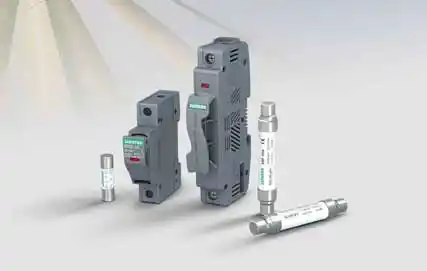
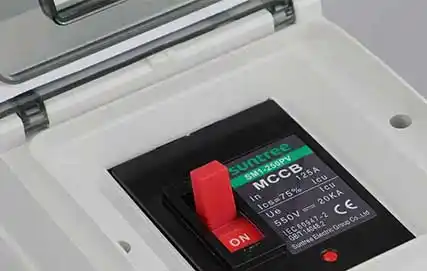
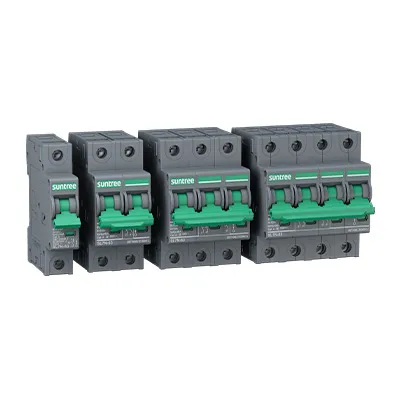
By considering these factors, you can choose the right DC circuit breaker that meets the technical requirements, provides adequate protection, and ensures the safe and reliable operation of your project. Suntree dc breaker and solar dc fuse are your best choice!